2025 was a big first year for Dairy Data Partners (DDP). We moved from early pilots to regular weekly reporting on real dairies, turning scattered data into practical, pen-level decisions.
Across our first sites in the US and UK, a few clear patterns are already emerging about how DDP is used and where it adds the most value.
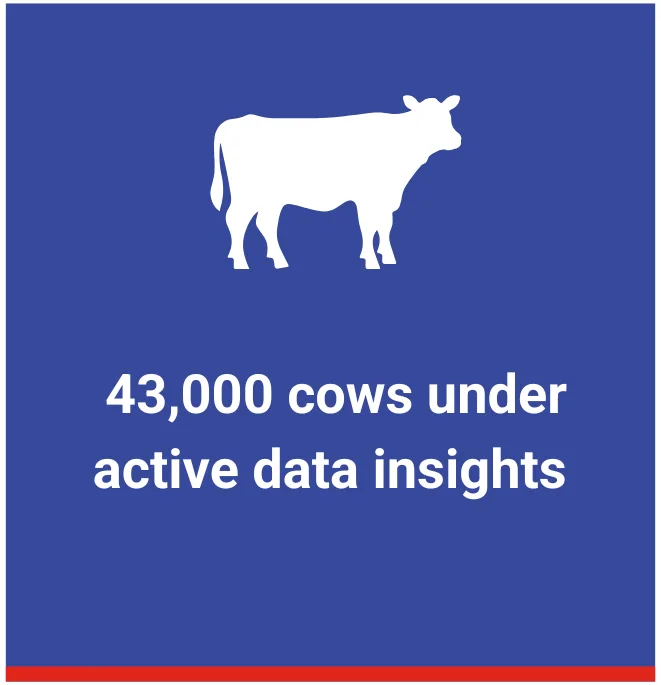
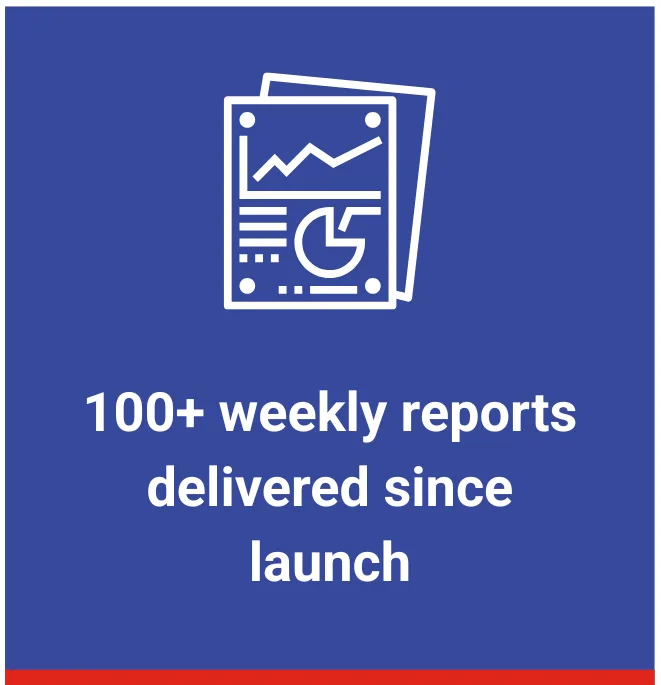
Dairy Data Partners by the numbers

What we’re seeing on farm
Our early work with DDP on farms has already surfaced some clear patterns about how it’s used and where it adds the most value.
1. Pen-level visibility changes the conversation
One of the earliest wins has come from looking at hard count refusal data at pen level.
When refusals are paired with pen population and the Temperature Humidity Index (THI) for each day, farm teams are getting a much clearer picture of how feed delivery and environment interact. Instead of reacting after a milk or health drop, they can see pens drifting off target earlier and ask: “Is this a feed delivery issue, a stocking issue, or something else?”
This pen-level view is helping managers move from “what happened?” to “where exactly do we need to look first?”
2. Accurate feed loading is a fast, tangible win
The second big theme is around feed loading consistency.
By consolidating ingredient data by feeder, by day and by ration, DDP has made it much easier to spot where loads drift away from what the nutritionist prescribed. That’s led to some quick, practical changes on farm.
As Blaine Nicks of Hunter Ridge Dairy explains:
“When we started looking at ingredients by feeder and by day, it became clear we had a big opportunity to tighten up how we feed cows. The reports helped us spot where relief feeders and non-lactating groups weren’t as consistent, and once we shared that with the team, we’ve seen real improvements in consistency and feed costs over the past few months.”
The takeaway so far: a simple, shared view of loading accuracy – delivered every week to the right people – is one of the fastest ways to capture value from existing data.
3. Young cows deserve more attention
Another pattern that’s emerged quickly is a focus on first-lactation cows.
Across several sites, DDP has highlighted a noticeable yield gap between first- and second-lactation groups. Once that gap is visible in a simple weekly view, it naturally becomes a priority topic in team meetings: are young cows getting the right nutrition, feed access and dry cow management?
For farms, this is about more than today’s tank – it’s about protecting the future herd by giving young cows the support they need to express their potential.
4. Body shape change gives earlier warning signs
Finally, tracking body shape change against the lactation curve is proving powerful.
By comparing expected and actual body shape at different stages, DDP is pulling out outliers at both early and late lactation. Those trends are giving farms the earliest possible chance to intervene – long before problems show up clearly in milk or health events.
In practice, that means better-timed conversations around nutrition, grouping and management for cows that are drifting away from the plan.
Looking ahead to 2026
From launching DDP in June to where we are now, it’s already clear the value it delivers in time saved, reduced waste and better use of on-farm resources. The first herds have shown us what’s possible when existing data is turned into clear, actionable decisions.
What really sets DDP apart is how those decisions are supported. It’s not just technology delivering reports into an inbox – it’s a concierge-style service from people with real ag backgrounds who understand the day-to-day challenges on dairies. The feedback so far has been consistent: producers value having someone on the other end who can interpret the data with them, tailor the focus to their priorities, and build reports that are genuinely bespoke to their farm and team.
We can’t wait to welcome more dairies into the DDP programme early next year and to continue scaling DDP across the US, UK and EU.
If you’d like to explore whether DDP could be a fit for your herd, we’d love to talk:
Email: ddp@ids-dairy.com